
How to Keep Your Restaurant Running During Load-Shedding
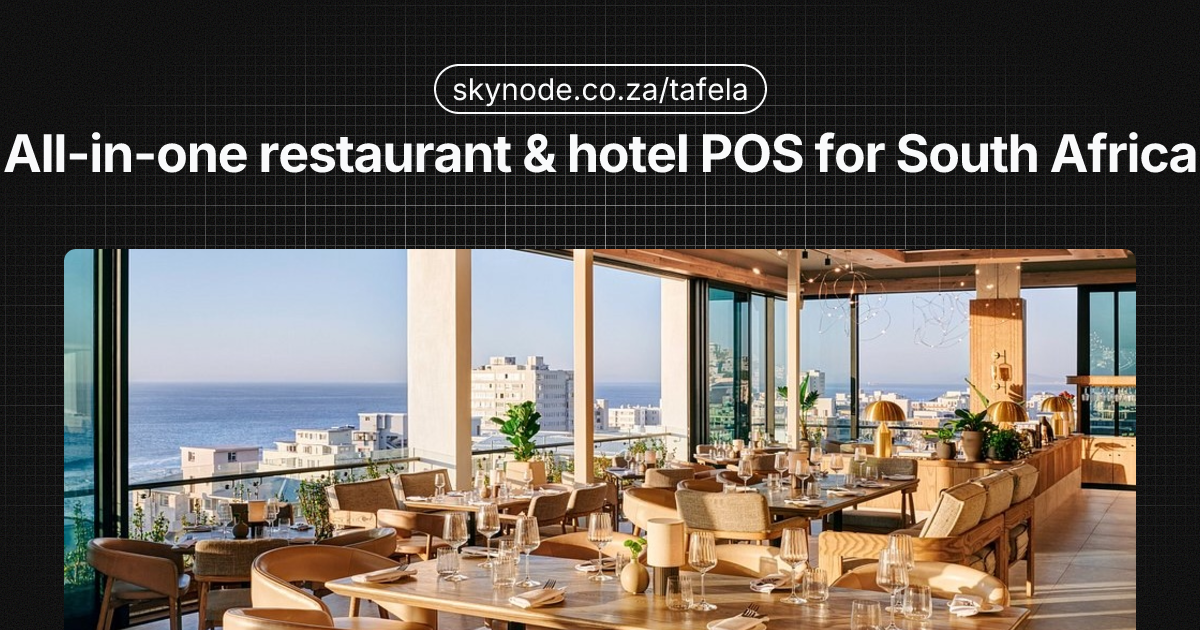
Running a load shedding restaurant in South Africa means planning for the unexpected. Even though the country enjoyed 273+ consecutive days without load-shedding as of early 2026, Eskom has made it clear that outages can return at any time. When they do, restaurants without a plan face diesel bills of up to R10,000 per month, a 15–20% spike in operating costs, and real risks to food safety and equipment. Smart operators don’t wait for the schedule to come back — they lock in backup power, train staff, and choose systems that work when the grid doesn’t. This guide gives you practical steps to keep your restaurant running when the lights go out: from generators and UPSs to menu adaptation and, crucially, why an offline POS South Africa operators can rely on is non-negotiable.
The Real Cost of Load-Shedding for Restaurants
When load-shedding hits, the financial impact is immediate and multi-layered. Understanding where the money goes helps you prioritise what to fix first. For many restaurants, the combined effect — diesel, lost sales, spoilage, and repairs — pushes monthly operating costs up by 15–20% during active load-shedding periods. That’s a significant hit for an industry that often runs on single-digit margins.
Diesel and generator costs
The most visible cost is backup power. Restaurants that depend on generators during stage 4–6 load-shedding can spend up to R10,000 per month on diesel alone. That figure climbs with longer or higher stages, larger premises, and refrigeration load. For a small café or takeaway, even R3,000–R5,000 extra per month can erase thin margins.
Lost revenue
Every time you close early, turn customers away, or can’t process card payments, you lose sales. During peak load-shedding periods, many operators report 15–20% higher monthly operating costs when you factor in lost trade, shortened trading hours, and customers who simply stay home. Dinner service during a two-hour slot without power is revenue you never get back. Regulars may also change their habits: if they’ve been turned away or had a bad experience during outages, they might book elsewhere next time. Protecting the customer experience during load-shedding isn’t just about that night — it’s about retention.
Food spoilage and refrigeration failures
Fridges and freezers failing during extended outages create a double hit: you throw away stock and you risk food safety incidents. Temperature abuse can happen in as little as two to four hours in a hot kitchen. Spoiled dairy, meat, and prepared food don’t just cost you the product — they can trigger health inspections, reputational damage, and liability. Proper inventory management and stock rotation become even more critical when power is unreliable.
Equipment damage from power surges
When the power comes back on, voltage spikes can damage POS systems, card machines, display screens, and kitchen equipment. Repair or replacement adds hundreds or thousands of rands. Surge protection and, where possible, keeping sensitive gear on UPS or off during switchover can prevent a lot of this. A single surge can take out a till, a card machine, or a cold room compressor — and during load-shedding, you may see multiple switch-on events per day. Investing in surge plugs or a building-level surge protector is far cheaper than replacing hardware.
Power Backup Options for Restaurants
Your backup strategy should match your budget, site, and how long you need to run without grid power.
Generators: pros, cons, and costs
Pros: Can run fridges, lights, and key equipment for hours. Mains failure detection and auto-start are available. Well-suited to full kitchen and dining operation.
Cons: Diesel cost (as above), noise, fumes, maintenance, and the need for safe fuel storage and compliance. Running costs during active load-shedding can reach R10,000/month or more for a mid-size restaurant.
Rough costs: Small portable units from around R8,000; installed automatic standby systems from R50,000 to R150,000+ depending on capacity. Factor in monthly diesel on top. If you’re in an area that historically had stage 4 or higher for long periods, budget for the worst case so you’re not caught short when load-shedding returns.
UPS (uninterruptible power supply) systems
A UPS keeps critical devices running for a few minutes to an hour during a cut or until a generator kicks in. Use them for:
- POS terminals and card machines (so you can keep taking orders and payments)
- Router and modem (if you need internet for card authorisation — though offline POS avoids that dependency)
- One or two till screens
Sizing matters: a 1–2 kVA UPS can support a couple of tills and a router; larger setups need bigger units or multiple UPSs. Battery life is limited (often 10–30 minutes at full load), so pair with a generator if you need to run through long slots. Choose a UPS with a replaceable battery and set a calendar reminder to test it monthly — a flat or ageing battery is useless when you need it most.
Solar and battery (inverter) systems
Solar PV with a battery inverter can power lights, fridges, and POS during the day and part of the evening. Benefits: lower running cost than diesel, no fuel to buy or store, quieter, and less dependence on diesel availability. Drawbacks: high upfront cost (R80,000–R200,000+ for a meaningful restaurant system), and you still need enough battery capacity to cover evening slots when there’s no sun. Best planned as a long-term investment and often combined with generator or grid for reliability. If you’re building or renovating, wiring in solar and battery from the start is usually cheaper than retrofitting later.
Gas alternatives for cooking
If you can’t power all your cooking equipment, gas is the fallback. Many South African restaurants already use gas stoves and ovens; ensuring you have enough cylinders and that staff know how to switch between electricity and gas keeps the kitchen operational. Grills, fryers, and some equipment may be electric-only — identify these and either add gas options or accept that certain items go off the menu during outages. Keep a “load-shedding menu” list so the front of house and kitchen know exactly what’s available when the power is down.
Keeping Your POS Running Without Power
When the grid drops, your point-of-sale system is what keeps orders and payments flowing. If it goes down, you’re back to pen and paper and manual reconciliation — and you may lose card sales entirely if the terminal needs internet to authorise. In South Africa, mobile data and fibre often drop or become unstable during load-shedding because towers and exchanges also lose power. So “we’ll just use the internet” isn’t a plan. You need a till that works without it.
Why offline POS capability is critical
During load-shedding you can lose both electricity and connectivity (mobile networks and fibre often dip or fail when power is cut). A POS that only works online will stop taking orders or decline cards the moment the connection drops. An offline POS South Africa operators can trust keeps the till running and queues moving.
Full offline operation vs “resilience”
Some systems claim “resilience” but only cache a few minutes of data or limit what you can do offline. For a restaurant, you need full offline operation: open tables, add and edit items, apply discounts, split bills, and record cash and card payments. When the connection returns, everything should sync automatically so you don’t lose sales or double-enter data. Ask your POS provider exactly what works offline — can you open new tables? Add new menu items on the fly? If the answer is “only for a short time” or “limited features,” that’s not enough for a load-shedding restaurant.
How Tafela’s offline mode works
Tafela is built for South African conditions. Offline mode isn’t an add-on — it’s core to the product. You get full POS functionality without internet: take orders, send to the kitchen display, process payments, and print receipts. When power and connectivity are back, Tafela automatically syncs all offline transactions to the cloud. No manual uploads, no duplicate entries, and your reporting and food cost control stay accurate. Table management, modifiers, discounts, and split bills all work offline. Pair Tafela with a small UPS on your till and router (if you use one), and you can trade through most load-shedding slots without closing. For a deeper comparison of systems that handle outages well, see our best restaurant POS comparison for South Africa.
Protecting Your Food and Inventory
Power cuts put your stock at risk. A clear plan keeps food safe and reduces waste.
Temperature monitoring
Use fridge and freezer thermometers that log or alarm when temperatures rise. If you have a cold room, consider a battery-backed or GSM-based monitor that alerts you during an outage. Know your safe windows: many health guidelines say refrigerated food above 4°C for more than two hours (or one hour in very hot conditions) should be discarded. When in doubt, throw it out — it’s cheaper than a food safety incident. Document what you discard and why; it helps with insurance and with refining your ordering and backup power decisions next time.
Menu adaptation during outages
During scheduled or unplanned cuts, simplify the menu. Focus on items that don’t need heavy refrigeration or long cooking. Salads, fresh dairy, and delicate proteins may need to come off for that slot. Communicate clearly on boards or verbally: “Limited menu during load-shedding” sets expectations and reduces frustration.
Stock rotation and ordering
Order smaller, more frequent deliveries when load-shedding is likely or active. Use restaurant inventory management practices to rotate stock so the oldest items are used first. That way, if you lose a fridge for a few hours, you’re not sitting on a week’s worth of perishables.
Insurance considerations
Check whether your business policy covers spoilage from power failure and whether there are exclusions for load-shedding. Some insurers require proof of backup power or temperature monitoring. Document your procedures (generator run logs, temperature checks) so you have evidence if you need to claim. A simple spreadsheet or notebook with date, time, fridge/freezer temps, and whether backup power was used can make the difference between a paid and a rejected claim.
Staff Training for Load-Shedding
Your team should know exactly what to do when the lights go out — without having to ask.
Emergency procedures
Write down step-by-step procedures: who checks the generator or UPS, who informs the manager, when to switch to a limited menu, and when to stop serving certain items. Keep a printed copy in the office and near the till; brief new staff and refresh everyone when the schedule is published. Run a dry run once a quarter: simulate a power cut (or use a planned load-shedding slot) and walk through the checklist so everyone knows their role. The first time shouldn’t be when the lights actually go out.
Manual processes as backup
Even with an offline POS, have a backup: a pad for handwritten orders, a calculator, and a cash float. If the POS or power fails completely, you can still take cash orders and reconcile later. Train staff to write down table number, items, and amount so the kitchen and till can match when systems are back.
Communication with customers
Tell customers as soon as you know: “We’re on backup power; service may be slightly slower” or “We have a limited menu for the next two hours.” A short, honest message reduces complaints. If you have to stop taking card payments temporarily (e.g. terminal down), say so at the door so people can pay cash or come back later. A small A-board or sign at the entrance works well. Staff should also know how to apologise without over-explaining — “We’re doing our best with backup power” is enough. Keeping the tone calm and solution-focused helps customers feel looked after rather than inconvenienced.
Load-Shedding Survival Checklist
Print this and keep it in your office or manager’s station. Tick off what you’ve already done and use the rest as a prep list.
Power and equipment
- Generator installed, serviced, and tested (or alternative backup plan in place)
- UPS for POS, router, and at least one till — tested monthly
- Surge protectors on all sensitive equipment
- Staff know how to switch to generator and when to turn off non-essential equipment
POS and payments
- POS has true offline mode (full orders and payments without internet)
- Tested offline flow: take order, send to kitchen, take payment, then reconnect and confirm sync
- Backup manual order pads and cash float
- Staff know how to explain “cash only” or “limited payments” if card machines are down
Food safety
- Fridge and freezer thermometers visible and checked regularly
- Written rule: discard refrigerated food above 4°C for more than 2 hours (or 1 hour in heat)
- Limited menu list prepared for load-shedding slots
- Stock rotation and ordering adjusted when outages are expected
People and communication
- Load-shedding schedule checked daily (Eskom app or municipal notice)
- Staff briefed on who does what when power fails
- Script or notice for customers: “We’re on backup power / limited menu”
- Emergency contact list (manager, generator supplier, landlord) up to date
Insurance and records
- Policy checked for spoilage and equipment damage
- Logbook for generator run hours and temperature checks during outages
Frequently Asked Questions
Can I still process card payments during load-shedding?
Yes, if your card machine and POS can run on backup power (UPS or generator) and your terminal can authorise offline. Some terminals store recent transactions and send them when the line is back; others need a live connection. With an offline POS South Africa operators use, like Tafela, you can record card payments offline and sync when connectivity returns, so you don’t lose card sales during the cut. Confirm with your payment provider (Yoco, iKhokha, etc.) how their device behaves without internet.
How long can food stay safe without refrigeration?
Guidelines vary, but a common rule is that refrigerated food should not sit above 4°C for more than two hours (or one hour if the room is above 32°C). After that, bacteria can multiply to unsafe levels. When power returns, check fridge temperatures; if they’ve been high for too long, discard perishables. Freezers can often hold for 24–48 hours if the door stays closed and the unit was full. Don’t refreeze thawed items that have warmed into the danger zone — rather discard and restock.
Do I need a generator if I have an offline POS?
An offline POS keeps your till and orders working without internet, but it still needs power. So you need some form of backup power for the POS (and ideally lights and fridges): a UPS for short cuts, or a generator for longer slots. Many restaurants use a small UPS for the till and router, and a generator for the rest of the site.
What’s the first thing I should do when load-shedding returns?
Update your checklist and test your systems: run the generator, confirm the POS goes offline and back online and syncs correctly, and brief staff on the limited menu and communication to customers. Then check the Eskom or municipal schedule and plan the next few days so you’re not caught off guard.
Should I close during load-shedding or try to stay open?
It depends on your backup power, menu, and location. If you have a generator or UPS that can run your till and essential equipment, and you can serve a limited menu safely, staying open can keep revenue flowing and show customers you’re resilient. If you have no backup power, or your fridge and cooking setup can’t run, closing for that slot is safer than risking food safety or a bad experience. Many operators choose to stay open for cash-only, limited-menu service during known slots and communicate clearly so customers know what to expect.
Stay open no matter what
Load-shedding may be paused for now, but the cost of being unprepared when it returns is real: lost sales, spoiled stock, damaged equipment, and stressed staff and customers. Investing in backup power, food safety routines, staff training, and an offline POS South Africa restaurants can rely on puts you in control. Use the checklist in this guide to audit what you have today and fill the gaps before the next outage.
Tafela’s offline mode keeps your restaurant running when the grid doesn’t — full POS functionality without internet, with automatic cloud sync when you’re back online. Learn more about Tafela and see how it fits your load-shedding plan.
Itlolwe ngu
Skynode Team